Reformation and Civil War (1538-1660)
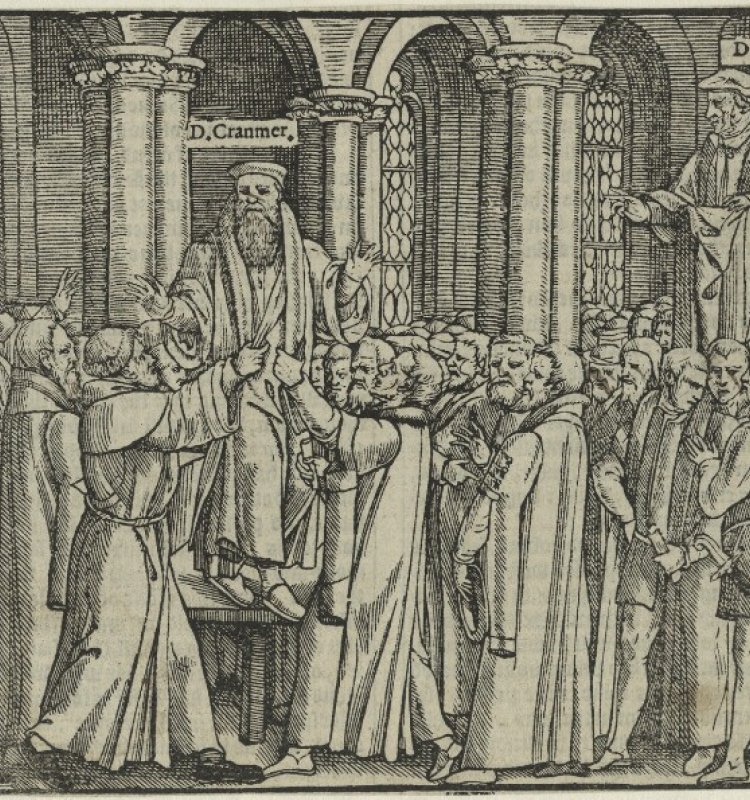
King Henry VIII was initially very hostile to the Reformation that was happening on the continent, and he was keen to make sure that the universities shared his views. A condemnation of Luther’s ideas was fastened to the sundial at St Mary’s, and at least one student had to stand in the church and publicly repent of his support for the German friar, Martin Luther. Henry needed a divorce, and when the Papacy blocked this he broke decisively with the Roman Church in 1534. His son, Edward VI, was more enthusiastic about the Reformation and, with Archbishop Thomas Cranmer, he set about ridding the English Church of all the practices he associated with Catholicism. Cranmer brought in an eminent Italian, Peter Martyr Vermigli, as the royally appointed or ‘regius’ professor in the University of Oxford, hopeful that he could persuade a generation of students and future clergymen of the truth of the Reformation. Students flocked to hear his sermons, including those from the pulpit at St Mary’s. In a complete reversal of Henry’s policy, the government was now using the University Church to explain and defend the new ideas of the Protestants.
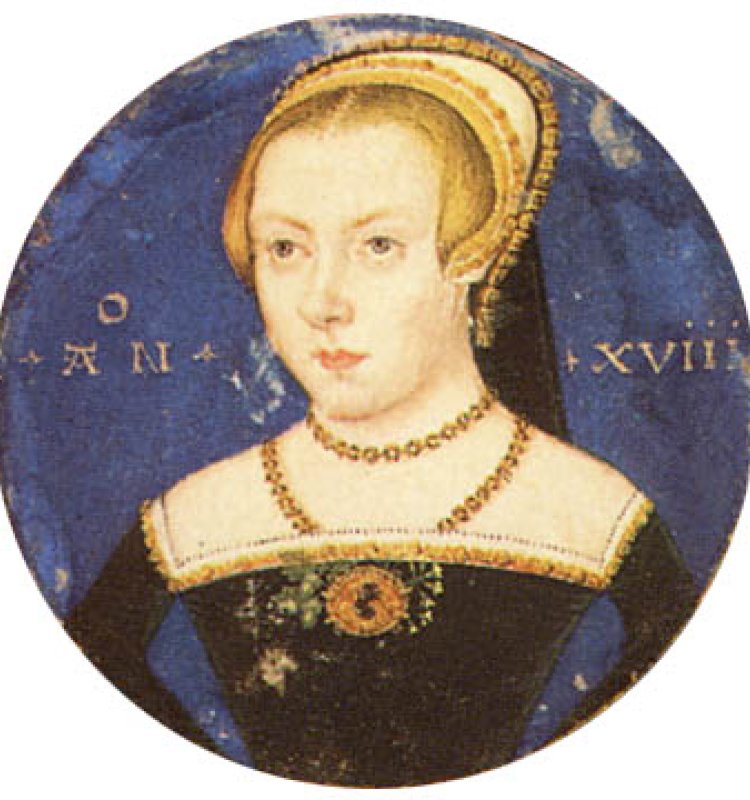
The Edwardian Reformation was intense but it was short-lived. In 1553 the young king died and his half-sister, Mary, took the throne. Mary’s Catholicism was sincere and unwavering, and she did her best to bring England back into the Catholic fold. She ordered all the churches to celebrate the Mass in the old way, on an altar and with incense and the right clerical robes. St Mary’s must have been keen to do this, for in 1554 the parish spent a huge amount of money on robes for the clergy in red and gold, on replacing the altars and on the candle-sticks and crosses for processions. The main obstacles to Mary’s policies were the English bishops; those who opposed her were tried for heresy and several, including the Archbishop of Canterbury, were burned at the stake.
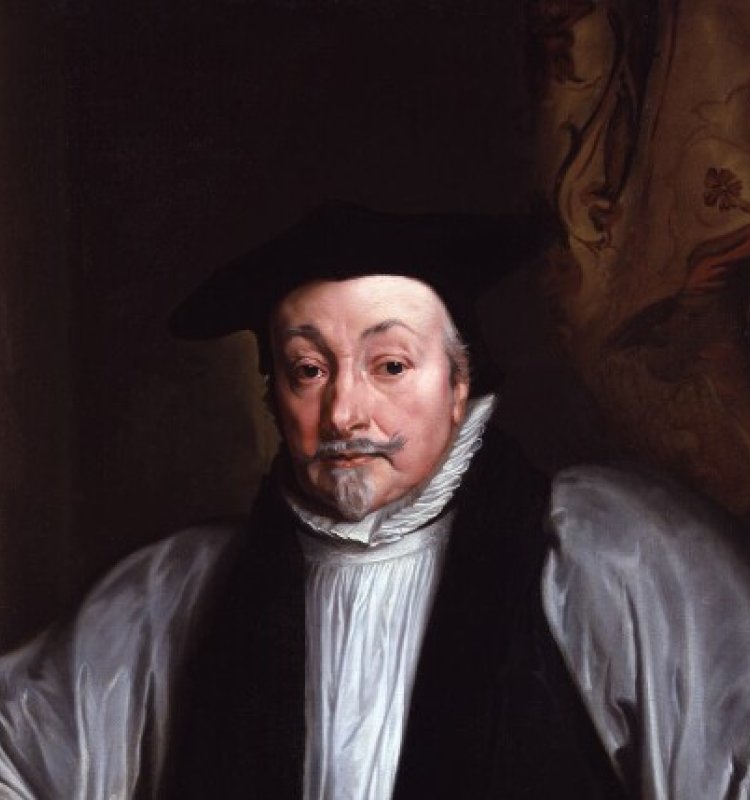
Mary died in 1558 and her half-sister Elizabeth came to the throne. England became Protestant once more. Elizabeth was willing to allow some decoration and music – much to the horror of her more puritan subjects. The nature of English religion remained contested and by the reign of Charles I religious divisions were becoming deeper. William Laud, Charles I’s Archbishop of Canterbury, spearheaded a programme to renew the ‘beauty of holiness’ and although some people appreciated this others feared it signalled a return to Catholicism. Opposition to the king and his archbishop erupted in 1642 into civil war. Oxford remained loyal to Charles and he and his courtiers would come over to St Mary’s to hear sermons. But Charles lost the civil war, and in 1646 the town had to surrender to Parliament. In came a new wave of preachers, who now insisted that God preferred Parliaments. The Parliamentary regimes of the 1640s and 1650s wanted a church that was simpler, plainer, and properly ‘Protestant’. St Mary’s was at the centre of these religious debates.